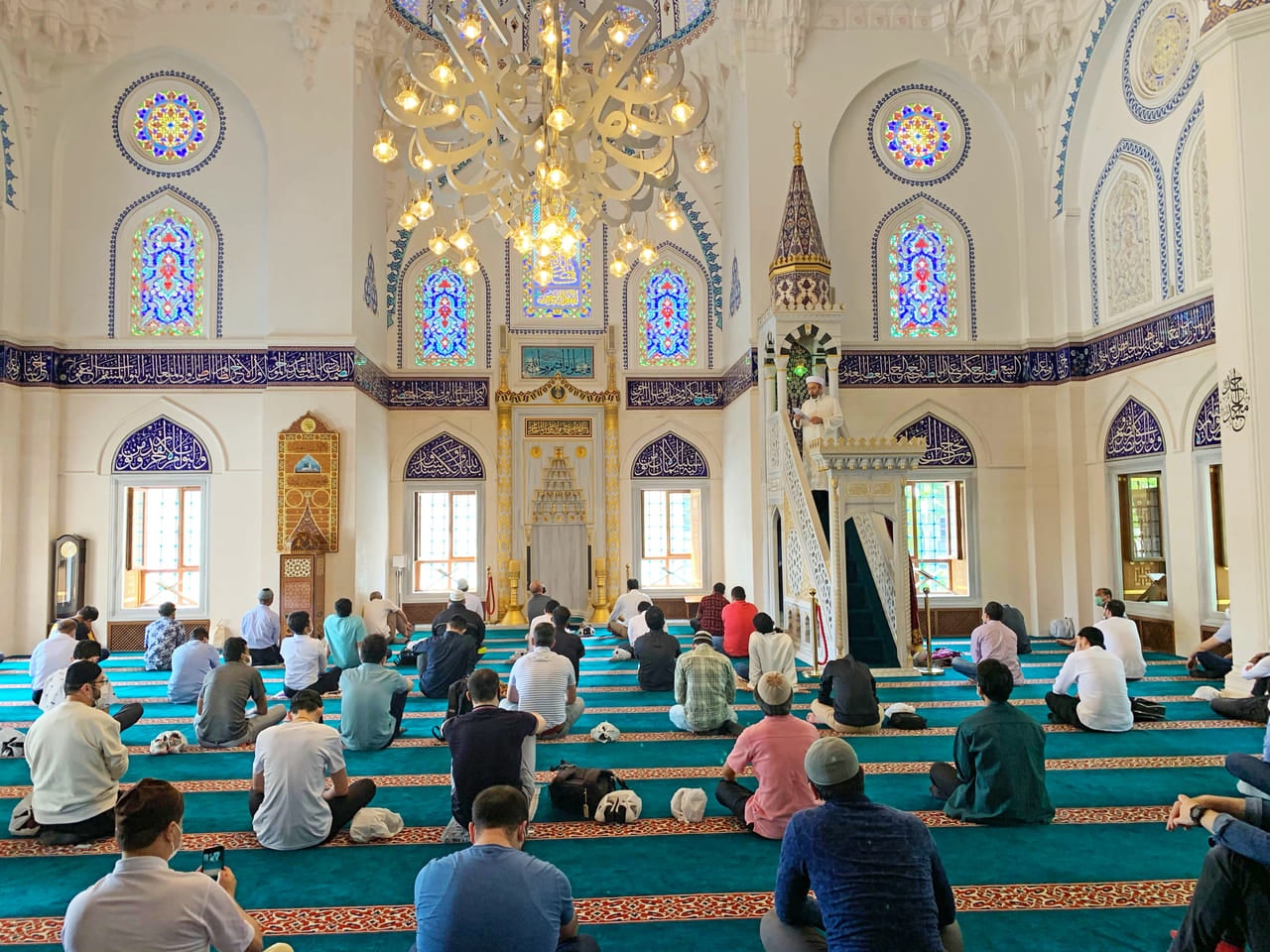
Challenges of Ramadan in Japan
Observing Ramadan in Japan presents unique challenges not found in Indonesia. As a non-Muslim country, there is no familiar Ramadan atmosphere—no bedug (drums), no takjil (iftar snacks) sold on the streets, and Japanese colleagues may not understand what you are going through. However, with the right preparation, Ramadan in Japan can be a profound spiritual experience.
Fasting Schedule in Japan
The duration of fasting in Japan heavily depends on the season due to its location further north than Indonesia:
| Ramadan Month | Fajr (Imsak) | Maghrib (Iftar) | Fasting Duration |
|---|---|---|---|
| March-April | ~04:30 | ~18:00 | ~13.5 hours |
| May-June | ~03:00 | ~19:00 | ~16 hours |
| June-July (peak summer) | ~02:30 | ~19:30 | ~17 hours |
| November-December | ~05:00 | ~16:30 | ~11.5 hours |
Important: The Imsakiyah schedule for Tokyo is different from that of Osaka, Nagoya, and other cities. Use an app for an accurate schedule based on your location.
Apps for Prayer Times
- Muslim Pro - Most popular, provides accurate prayer times for all of Japan, including the Qibla direction
- Athan Pro - An alternative with automatic adhan
- IslamicFinder - The website islamicfinder.org also has schedules by city
Sahur (Pre-dawn Meal) Tips
- Cook the night before - Prepare your sahur meal in the evening so you don't have to cook at 3 AM
- Recommended menu: Rice + eggs + vegetables, oatmeal with fruit, whole wheat bread + peanut butter. Foods that keep you full for a long time.
- Drink enough water - Drink 500ml-1 liter during sahur because the fasting duration is long
- Set an alarm that doesn't disturb neighbors - Japanese apartment walls are thin, use a vibration alarm
Iftar (Breaking the Fast) Tips
- Bring dates and water to the office or campus to break your fast if you are still on the go
- Konbini for emergencies: Onigiri, fruit juice, and yogurt are available 24 hours
- Communal Iftar at the mosque: Tokyo Camii, Otsuka Masjid, and other mosques usually hold free communal iftars during Ramadan
Explaining Fasting to Japanese People
Colleagues and Japanese friends might ask why you don't eat lunch. Tips for explaining:
- "Ramadan desu kara, hiru gohan wa tabenai desu" (ラマダンですから、昼ご飯は食べないです) - Because it's Ramadan, I don't eat lunch.
- Japanese people are generally very respectful of religious practices and will not force you
- If offered food, simply say "Ramadan na node" (because it's Ramadan) with a smile
- Some colleagues might be curious and ask many questions - this is a good opportunity for light da'wah (sharing about Islam)
Prayer at Work/Campus
- Talk to your boss/professor - Ask for permission for a short prayer. Most will allow it.
- Prayer space: An empty meeting room, a prayer room (some universities and large buildings have them), or even a clean restroom.
- Portable prayer mat - Bring a small, foldable prayer mat that fits in your bag
- Wudu (Ablution): Usually done in the restroom. Prepare a water bottle if the restroom only has cold water.
Mosques and Prayer Rooms in Japan
- Tokyo Camii (東京ジャーミイ) - Yoyogi-Uehara, the largest mosque. Tarawih prayers are held every night during Ramadan.
- Otsuka Masjid - Toshima-ku, has a large Indonesian community.
- Ebara Masjid - Shinagawa-ku Tokyo, many Indonesian congregants.
- Osaka Masjid - Nishi-ku, Osaka.
- Nagoya Masjid - Naka-ku, active Indonesian community.
- Istiqlal Masjid Kobe - One of the oldest mosques in Japan.
Find the nearest mosque at islamicfinder.org/world/japan or halalnavi.com
Maintaining Energy During Long Fasts
- Get enough sleep - Even though you have to wake up for sahur, try to get 6-7 hours of sleep
- Avoid strenuous physical activity during the day
- Inform your boss if your performance drops slightly - they are usually understanding
- Carry an umbrella or hat - Especially if Ramadan falls in the summer
- AC in the office/train helps - Take advantage of Japan's air-conditioned environments
Eid al-Fitr in Japan
- Not an official holiday - You may have to take paid leave (有給休暇/yuukyuu kyuuka)
- Eid Prayer: Held at large mosques, sometimes a building or park is rented to accommodate the congregation
- Indonesian open house: Many Indonesian communities hold halal bihalal (gatherings to ask for forgiveness)
- Cooking together: Rendang, ketupat, opor - ingredients can be found at halal stores
- Invite Japanese colleagues: Some Indonesians invite their Japanese colleagues to celebrate Eid, which is usually greatly appreciated
Ramadan Tips from Indonesian Seniors
- "Join the Ramadan LINE group in your city - you'll get information about iftar and tarawih faster than anywhere else"
- "Prepare a week's worth of frozen food for sahur at once, it helps a lot"
- "Don't forget to pay zakat al-fitr - it can be done through the mosque or by transferring to the community"
- "Ramadan in Japan is quiet, but that makes it more devout. Enjoy this tranquility."
Ramadan in Japan is indeed different from in Indonesia, but it is this very experience that tests and strengthens one's faith. The Muslim community in Japan, though small, is very solid and mutually supportive, especially during Ramadan. Happy fasting.