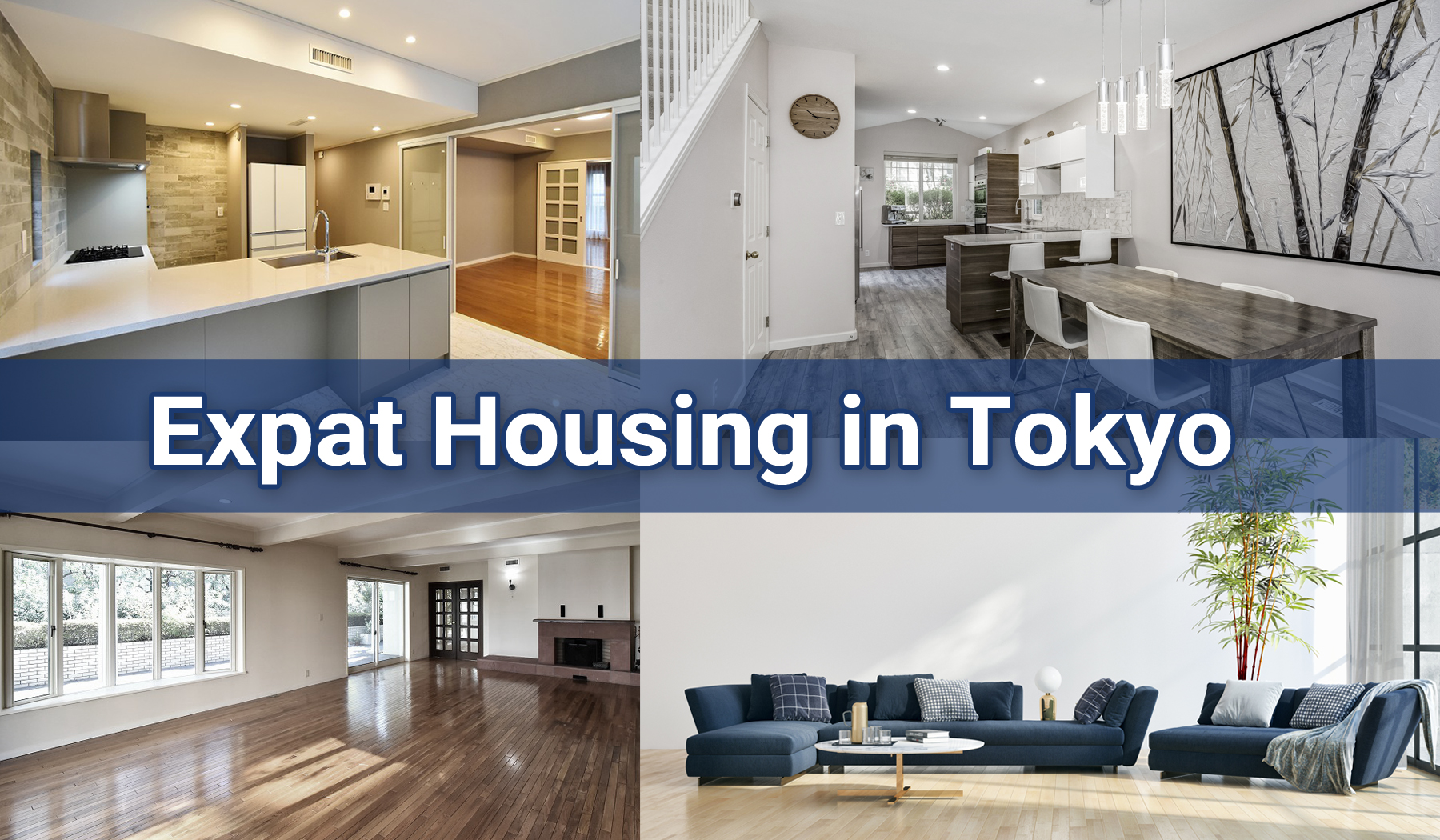
Why Finding an Apartment in Japan is Challenging
Finding an apartment in Japan can be a rather stressful experience, especially for Indonesians coming for the first time. Besides the language barrier, the rental system is very different from Indonesia's. The very high initial costs, guarantor requirements, and the fact that some landlords still refuse foreign tenants are real challenges.
Understanding the Initial Costs
This is the biggest surprise for most Indonesians. In Japan, you don't just pay the first month's rent:
| Cost Component | Amount | Explanation |
|---|---|---|
| Shikikin (敷金) / Deposit | 0-2 months' rent | Security deposit, partially refunded upon moving out |
| Reikin (礼金) / Key Money | 0-2 months' rent | Gift money for the landlord, NOT refunded |
| Agent fee (仲介手数料) | 0.5-1 month's rent + tax | Commission for the real estate agent |
| First month's rent | 1 month | Sometimes includes the second month's rent |
| Fire insurance (火災保険) | 15,000-25,000 yen/2 years | Mandatory, usually through the agent |
| Guarantor company (保証会社) | 0.5-1 month's rent | Guarantor service, mandatory for most properties |
| Lock change (鍵交換) | 15,000-25,000 yen | Cost of changing the lock for security |
Example calculation: For an apartment with a rent of 70,000 yen/month, 1 month shikikin, and 1 month reikin, the total initial cost can reach 300,000-400,000 yen (around 30-40 million IDR).
Types of Apartments in Japan
- 1R (One Room) - One room with no separation for the kitchen. Suitable for singles. Rent: 30,000-80,000 yen depending on location.
- 1K (One Room + Kitchen) - One room with a separate kitchen. Most popular for singles. Rent: 40,000-90,000 yen.
- 1DK (Dining Kitchen) - One room + dining-kitchen area. Rent: 50,000-100,000 yen.
- 1LDK (Living Dining Kitchen) - One room + living-dining-kitchen area. Suitable for couples. Rent: 70,000-150,000 yen.
- 2LDK-3LDK - Two to three rooms + LDK. Suitable for families. Rent: 80,000-250,000 yen.
- Share House - Private room, shared facilities. Low initial cost. Rent: 30,000-70,000 yen including utilities.
Apartment Search Platforms
| Platform | Language | Pros | URL |
|---|---|---|---|
| Suumo | Japanese (can be translated) | Largest database in Japan | suumo.jp |
| Homes.co.jp | Japanese | Detailed filters, many photos | homes.co.jp |
| GaijinPot Apartments | English | Specializes in foreigner-friendly properties | apartments.gaijinpot.com |
| Real Estate Japan | English | Bilingual agents available | realestate.co.jp |
| UR Housing | Japanese/English | No reikin, no guarantor | ur-net.go.jp |
| Oakhouse | English/Japanese | Share houses, low initial costs | oakhouse.jp |
Special Tips for Indonesians
The Guarantor (保証人) Issue
Most apartments require a guarantor (保証人). As a foreigner, you have several options:
- Guarantor Company (保証会社) - The most common option. Pay a fee of 0.5-1 month's rent. Examples: GTN, JID, Casa.
- Your Company/School - Many employers and language schools are willing to be a guarantor.
- UR Housing - Government-managed apartments that do NOT require a guarantor. Highly recommended for newly arrived Indonesians.
Dealing with Rejection
Some landlords in Japan refuse foreign tenants. Here are tips to overcome this:
- Use an agent experienced with foreign clients (look for "外国人OK" in listings)
- Prepare all necessary documents: Residence Card, proof of employment, last 3 months' payslips
- Show your Japanese language ability if you can - this increases the landlord's trust
- Ask a Japanese friend or colleague to call the agent first
- Consider the non-discriminatory UR Housing
UR Housing: The Best Choice for Indonesians
UR (Urban Renaissance Agency) is a government agency that provides rental apartments with no hidden fees:
- No reikin (key money)
- No agent fee
- No guarantor needed
- No contract renewal fee (更新料)
- Requirement: Monthly income of at least 4x the rent OR savings equivalent to 100x the rent
Disadvantages of UR: Locations are sometimes less central, buildings are generally older, and there can be a long waiting list for popular units.
Things to Check During a Viewing
- Distance to the station - "Toho 10-pun" (徒歩10分) means a 10-minute walk. Measure it yourself, as it's sometimes measured in a straight line.
- Window direction - Minami-muki (南向き/south-facing) is the most ideal for sunlight and warmth.
- Water pressure - Turn on the taps and shower to check the water pressure, especially on upper floors.
- Noise - Visit during busy hours to check for noise from the street, trains, or neighbors.
- Internet connection - Ask if fiber optic is already installed or if you need to set it up yourself (installation cost 20,000-40,000 yen).
- Garbage rules - Check the location of the garbage disposal area and the collection schedule, as this is VERY strict in Japan.
- Bicycle parking - If you need it, ask about the fee (200-500 yen/month) and availability.
- Wall condition - Thin walls mean you'll hear your neighbors. Knock on the walls to check their thickness.
Monthly Costs Besides Rent
| Cost | Estimate/month | Notes |
|---|---|---|
| Kanrihi (管理費) / Maintenance | 3,000-15,000 yen | Building maintenance fee, sometimes includes water |
| Electricity | 3,000-10,000 yen | Higher in summer (AC) and winter (heater) |
| Gas | 2,000-5,000 yen | For cooking and hot water. Propane is more expensive than city gas |
| Water | 2,000-4,000 yen | Billed every 2 months in most cities |
| Internet | 4,000-6,000 yen | Fiber optic (NTT, au hikari, NURO), 2-year contract |
When is the Best Time to Search
- January-February: Many new listings appear (in preparation for the March-April moving season), but competition is high.
- April-May: Leftover units that weren't taken, making it easier to negotiate the price.
- October-November: The second (smaller) moving season, with a decent number of options.
- Tip: Start searching 1-2 months before your desired move-in date. Listings in Japan change quickly.
Important Terms in the Contract
- 更新料 (Koushinryou) - Contract renewal fee, usually 1 month's rent every 2 years
- 退去費 (Taikyohi) - Move-out fees, deducted from the deposit (shikikin)
- 原状回復 (Genjou Kaifuku) - Obligation to restore the apartment to its original condition upon moving in
- ペット可 (Petto-ka) - Pets allowed (usually requires an additional 1-month deposit)
- 楽器可 (Gakki-ka) - Musical instruments allowed
- 事務所可 (Jimusho-ka) - Can be used as an office/for business
Finding an apartment in Japan indeed requires patience and a significant amount of funds. However, with the right information and the help of an experienced agent, you can definitely find a comfortable place to live. Don't hesitate to ask the Indonesian community in your destination city for recommendations on agents and areas that suit your budget.