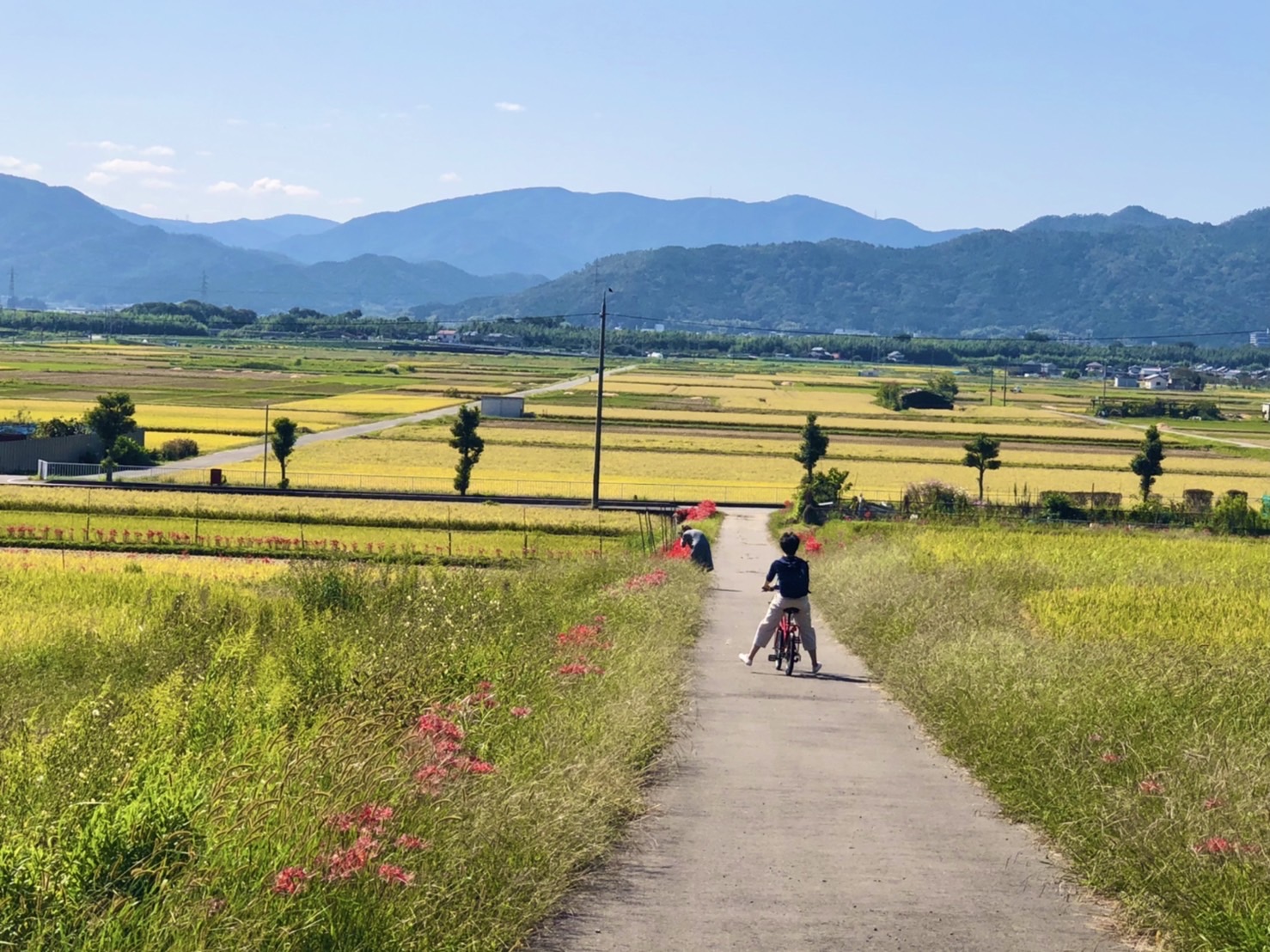
Inaka: A Different Japan
Not all Indonesian nationals in Japan live in Tokyo or Osaka. Many are assigned to rural areas (田舎/inaka) through factory, agriculture, or fishery work programs. Life in the inaka is very different from the futuristic image of Japan. But it is here that many Indonesians find tranquility, a close-knit community, and an authentic Japanese experience.
Advantages of Living in the Inaka
- Very low cost of living - Rent for a 1K apartment starts from 20,000-35,000 yen/month. Some companies provide free dormitories.
- Beautiful nature - Mountains, rice fields, the sea - scenery you can't get in the city.
- Close-knit community - Neighbors know each other, and you often get free vegetables and fruits.
- Clean air and tranquility - Far from the pollution and noise of the city.
- Fresh and cheap food - Vegetables and fish come directly from farmers/fishermen.
- More living space - Apartments or houses are much larger than in the city.
Challenges of Living in the Inaka
- Limited transportation - Buses run only a few times a day, and there might be no trains. A car is almost a necessity.
- Limited stores - There aren't 24-hour convenience stores everywhere. A supermarket might be a 15-30 minute drive away.
- Difficult to find halal food - There are no halal stores. You have to order online or bring it from a big city.
- Language - Local people often speak dialects that are very different from standard Japanese.
- Limited social life - The Indonesian community may be small or non-existent.
- Limited medical services - A large hospital might be a 30-60 minute journey away.
Getting a Car in the Inaka
A car is a primary necessity in the inaka:
| Option | Cost | Notes |
|---|---|---|
| Used Kei-car (軽自動車) | 100,000-500,000 yen | The most popular option for Indonesians. Taxes and insurance are cheap. |
| Used regular car | 200,000-800,000 yen | More comfortable, but taxes and shaken are more expensive. |
| Shaken (車検/inspection) | 70,000-150,000 yen/2 years | Mandatory, includes compulsory insurance. |
| Annual tax (kei-car) | 10,800 yen/year | Much cheaper than a regular car (30,000-50,000 yen) |
| Voluntary insurance | 30,000-80,000 yen/year | Highly recommended. JA Kyosai is popular in the inaka. |
Where to buy: Goo-net (goo-net.com), local used car dealers, or from Indonesians returning to Indonesia (check Facebook groups).
Shopping for Daily Necessities
- Local supermarkets: A-Coop (JA group), MaxValu, Aeon. Prices are the same as or cheaper than in the city.
- Home centers: Komeri, Cainz, Kohnan - for home and garden needs.
- Online shopping: Amazon Japan and Rakuten deliver anywhere. Halal ingredients can be ordered from Green Nasco or Amazon.
- Michi no Eki (道の駅): Roadside rest areas that sell very cheap, fresh local produce.
Social Life in the Inaka
People in rural Japan are generally very friendly but also take time to accept new people:
- Greet your neighbors - Always greet your neighbors. "Ohayou gozaimasu" and "Konnichiwa" are enough.
- Participate in local activities - Undoukai (sports festivals), local matsuri, and community clean-ups (oosooji). This is the key to being accepted.
- Share Indonesian food - Make nasi goreng or sate and share it with your neighbors. This is greatly appreciated.
- JA (Japan Agriculture) - The local agricultural cooperative, often the center of the community.
Seasons and Agriculture
If you work in agriculture:
- Spring: Rice planting, planting spring vegetables
- Summer: Maintenance, fruit harvesting
- Autumn: Rice harvesting (稲刈り/inekari), fruit harvesting
- Winter: Maintenance, greenhouse farming, snow removal in snowy areas
Special Tips for Indonesians in the Inaka
- Learn the local dialect - Understanding just a little will make the local people happy.
- Stock up on halal food - Order monthly from online stores and keep it in the freezer.
- Use the internet for social connection - Video call family, join Indonesian LINE groups, watch Indonesian YouTube.
- Take advantage of nature - Hiking, fishing, gardening. This is a privilege you don't get in the city.
- Save important numbers - The nearest hospital, police, the Indonesian Embassy, and at least one Japanese person you can contact in an emergency.
Living in the inaka indeed requires a greater adjustment, but many Indonesians are actually happier here than in the big cities. The tranquility, beautiful nature, and warmer human relationships are priceless compensations. If you are assigned to the inaka, consider it a unique opportunity to experience the real Japan.