The Japanese Education System
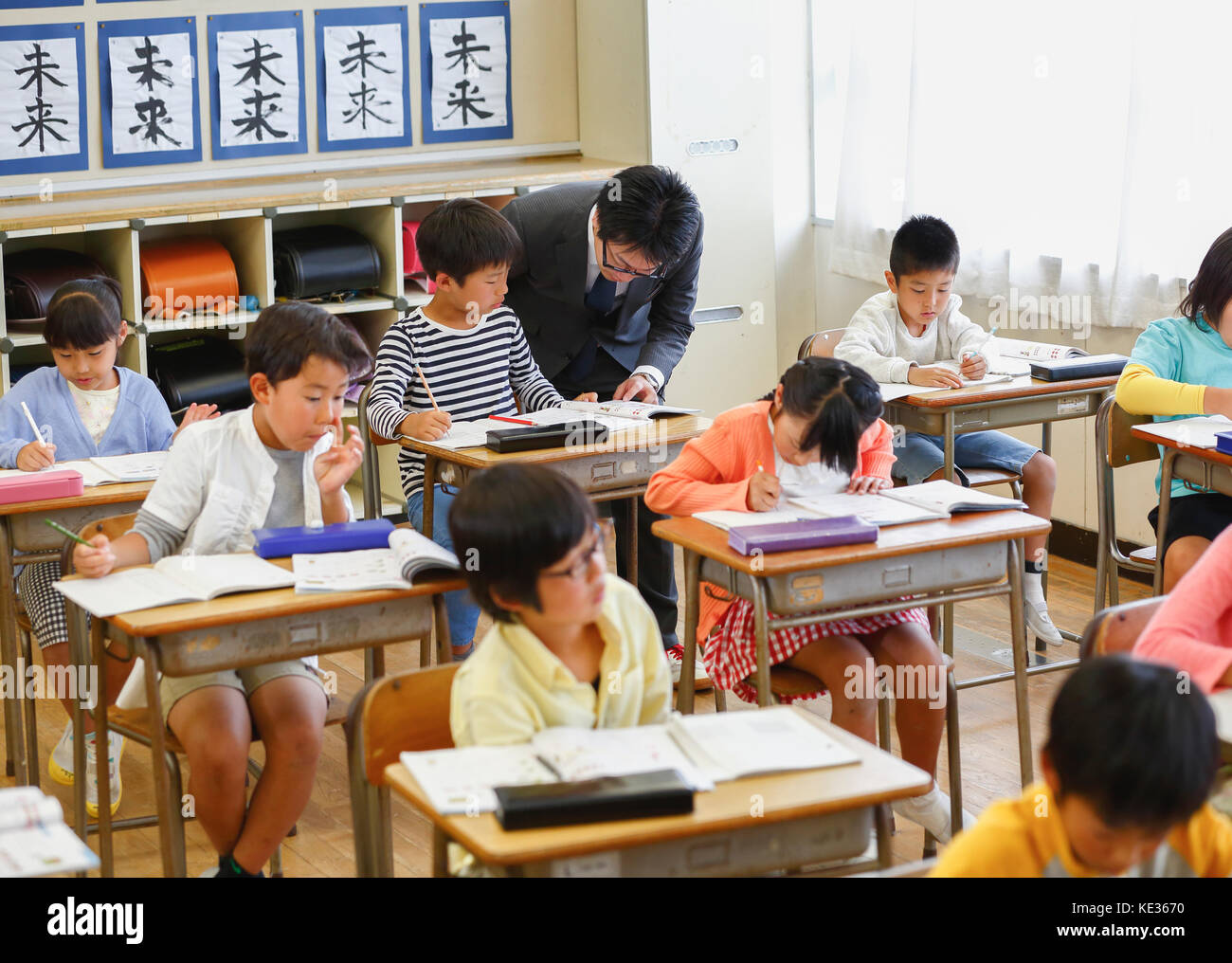
Japan has a 6-3-3-4 education system (6 years of elementary school, 3 years of junior high school, 3 years of high school, and 4 years of university). As an Indonesian citizen, your child has the right to receive FREE education at Japanese public elementary and junior high schools (compulsory education). This is a right guaranteed by the Japanese government for all children living in Japan, including foreign children.
Educational Levels
| Level | Age | Duration | Compulsory | Public School Cost |
|---|---|---|---|---|
| Hoikuen (保育園) - Daycare | 0-5 years | Flexible | No | Free (3-5 years) / 0-37,000 yen (0-2 years) |
| Youchien (幼稚園) - Kindergarten | 3-5 years | 2-3 years | No | Free (since 2019) |
| Shougakkou (小学校) - Elementary School | 6-12 years | 6 years | Yes | Free (tuition), 5,000-10,000 yen/month (other fees) |
| Chuugakkou (中学校) - Junior High School | 12-15 years | 3 years | Yes | Free (tuition), 5,000-15,000 yen/month |
| Koukou (高校) - High School | 15-18 years | 3 years | No | 9,900 yen/month (subsidies available) |
Enrollment Procedure for Public Elementary/Junior High Schools
- Register your address at the City Hall - When registering your residence, inform them that you have a school-age child.
- The City Hall will send a notification letter - It will contain the name of the school designated based on your address (学区/gakku).
- Visit the designated school - Bring: Your child's Residence Card, passport, and the letter from the city hall.
- Interview with the principal - Usually informal, to understand the child's language ability.
- The child is placed in a grade according to their age - Japan does not have a system of 'repeating a grade,' so the child enters the grade appropriate for their age.
- Purchase school supplies - Uniform, randoseru (elementary school bag, 30,000-70,000 yen new), stationery.
Costs to Prepare For
Although tuition is free, there are other costs:
| Item | Cost (estimate) | Notes |
|---|---|---|
| Randoseru (elementary school bag) | 30,000-70,000 yen | Can buy secondhand for 5,000-15,000 yen |
| Uniform | 20,000-50,000 yen | Many elementary schools do not require uniforms |
| Kyuushoku (school lunch) | 4,000-5,500 yen/month | Includes nutritious school lunch |
| PTA fee | 3,000-5,000 yen/year | Parent-Teacher Association fee |
| Textbooks | Free | Provided by the government |
| Stationery & materials | 5,000-10,000 yen/year | Paint, notebooks, etc. |
| Study trip (遠足) | 3,000-10,000 yen/trip | 2-3 times per year |
Financial Assistance
If you have a low income, you can apply for assistance:
- Shugaku Enjo (就学援助) - A subsidy for low-income families. Covers: school lunch, supplies, study trips, health check-ups. Apply at the school.
- Jidou Teate (児童手当) - Child allowance from the government: 15,000 yen/month (0-3 years), 10,000 yen/month (3 years-junior high). Apply at the city hall.
Language Adaptation: Nihongo Support
Most public schools in large cities provide Japanese language support for foreign children:
- Nihongo Kyoushitsu (日本語教室) - Additional Japanese language classes at school, usually a few hours per week.
- Support Teacher - An assistant teacher who helps foreign children in the regular classroom.
- International Classroom - In some schools, there are special classes for children who cannot yet speak Japanese.
How long does adaptation take? Based on the experience of Indonesian nationals, children usually start to communicate basically within 3-6 months, and become fluent in 1-2 years. Younger children tend to adapt more quickly.
Alternative: International Schools
If your budget allows or your child is already a teenager:
- Cost: 1-2.5 million yen/year (very expensive)
- Language of instruction: English
- Curriculum: IB, British, American, or others
- Advantages: No language barrier, international curriculum
- Disadvantages: Very high cost, less interaction with Japanese society
School Life in Japan
Some unique things that Indonesian parents should know:
- Children walk to school - It is very safe, and children walk in groups (通学班/tsuugakuhan).
- Lunch is eaten together in the classroom - Children eat their kyuushoku together in the classroom, not in a cafeteria.
- Cleaning up by themselves (掃除) - Children clean their classrooms and the school themselves; there are no janitors.
- Many activities - Sports festivals (undoukai), cultural festivals (bunkasai), study trips.
- Active PTA - Parents are expected to participate actively. This can be a language challenge.
- Homework/PR - Lighter than in Indonesia in elementary school, but increases in junior high.
Tips for Indonesian Parents
- Maintain the Indonesian language at home - Your child will become fluent in Japanese quickly; make sure they don't forget Indonesian.
- Attend PTA meetings - Even if it's difficult, it shows commitment and helps your child be accepted.
- Make friends with Japanese parents - They can provide information, and your child can find playmates.
- Prepare a bento when required - Some events require a bento from home.
- Pay attention to invitations and letters from the school - There are always letters; use Google Translate's camera feature to read them.
- Enroll your child in extracurricular activities (部活/bukatsu) - Especially in junior high, this is very important for socialization.
Raising a child in Japan provides a unique experience and high-quality education. Although there are language challenges at the beginning, children usually adapt quickly. The key is support from parents and good communication with the school.