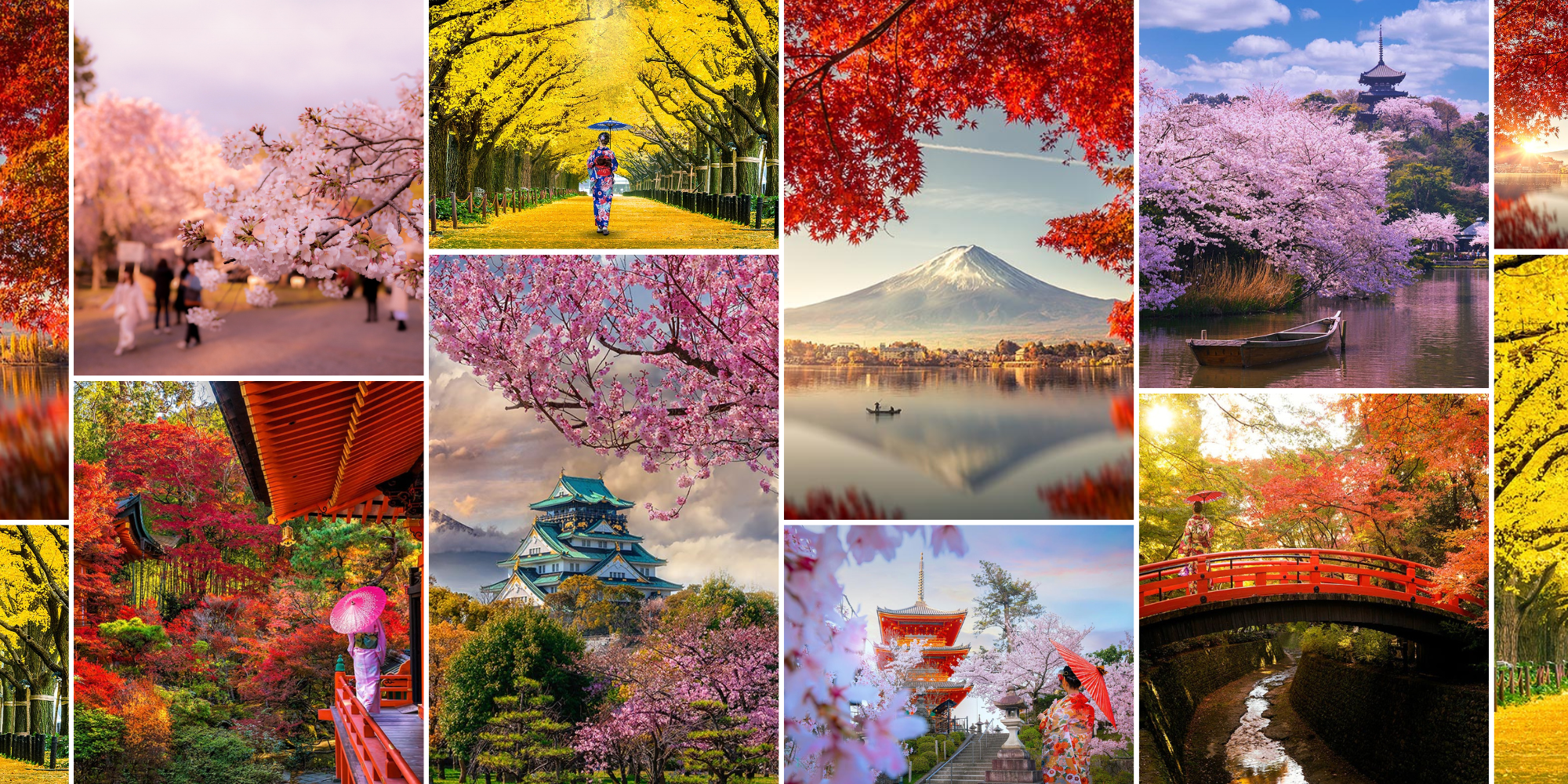
From the Tropics to 4 Seasons
As an Indonesian accustomed to temperatures of 25-35 degrees Celsius year-round, facing Japan's 4 seasons is a major adaptation. Temperatures can drop to -5 degrees in winter and rise to 40 degrees in summer. This guide will help you prepare for each season.
Spring (Haru/春) - March to May
Weather
- Temperature: 8-20 degrees Celsius
- The weather is changeable, with sudden rain possible
- Pollen season (花粉症/kafunshō) - pollen allergies are very common
Clothing
- Layering: t-shirt + shirt/sweater + light jacket
- Always carry a folding umbrella
- Comfortable walking shoes
Tips for Indonesians
- Kafunshō (pollen allergy): Many Indonesians who never had allergies in Indonesia get kafunshō in Japan. Symptoms: sneezing, itchy eyes, runny nose. Medicine: available at drugstores (アレグラ/Allegra without a prescription, around 1,400 yen/14 tablets).
- Masks: Wear a mask when going outside during pollen season (March-April).
- Sakura blooming: This is the most beautiful time! Take the opportunity for hanami.
Summer (Natsu/夏) - June to August
Weather
- Temperature: 25-40 degrees Celsius
- VERY high humidity (70-80%) - feels hotter than the actual temperature
- Tsuyu (梅雨/rainy season): June-July, it rains almost every day
Clothing
- T-shirts and shorts for outdoors
- Bring a small towel for sweat (tenugui)
- A folding umbrella is a must (for sudden rain)
- Indoors, the AC is very cold - bring a thin cardigan
Tips for Indonesians
- Heatstroke (熱中症/necchūshō): A real danger in the Japanese summer. Drink water regularly, avoid direct sunlight, and wear a hat.
- Electricity bills spike: Leaving the AC on continuously can make your electricity bill 2-3 times higher (8,000-15,000 yen/month). Set the AC to 28 degrees to save money.
- Cooling items: Buy cooling sprays, cooling sheets, and portable fans at 100-yen shops or drugstores.
- Although it's hot, it's still more humid than Indonesia - Your skin won't get as dry as you might expect.
Autumn (Aki/秋) - September to November
Weather
- Temperature: 10-25 degrees Celsius
- The most comfortable and stable weather
- Typhoons can occur in September-October
Clothing
- Similar to spring: layering
- Towards November, you'll start needing a thick jacket
Tips for Indonesians
- The most comfortable season: Take advantage of it for traveling and outdoor activities.
- Kouyou (紅葉): The leaves change color in October-November. It's just as beautiful as sakura.
- Winter preparation: Start buying winter clothes in October when there's still a wide selection and prices haven't gone up yet.
Winter (Fuyu/冬) - December to February
Weather
- Temperature: -5 to 10 degrees Celsius (depending on the region)
- Snow in northern regions (Hokkaido, Tohoku, Hokuriku)
- Tokyo rarely gets snow but is very cold and dry
MANDATORY Clothing
| Layer | Item | Price (estimate) | Where to buy |
|---|---|---|---|
| Base layer | Heattech (Uniqlo) | 990-1,990 yen | Uniqlo |
| Middle layer | Fleece / wool sweater | 1,990-3,990 yen | Uniqlo, GU |
| Outer layer | Down jacket / winter coat | 5,990-14,990 yen | Uniqlo, Workman |
| Accessories | Scarf, gloves, hat | 300-1,000 yen each | 100-yen shop, Uniqlo |
| Feet | Thick socks, boots | 300-5,000 yen | Uniqlo, shoe store |
Tips for Indonesians
- Dry skin: Humidity drops drastically. Buy moisturizer and lip balm. A humidifier for your room is very helpful (starting from 3,000 yen).
- Electricity/gas bills increase: Heating and hot water will cost 10,000-20,000 yen/month. Tip for saving: use a kotatsu (heated table) instead of a room heater.
- Flu and colds: Flu season in Japan is from December to February. Flu shots are available at clinics (3,000-5,000 yen, not covered by NHI for adults).
- Chapped hands: Carry hand cream everywhere. The skin of Indonesians, who are used to a humid climate, will get very dry in winter.
- Kairo (カイロ/hand warmer): Disposable pocket warmers, a 10-pack starts from 300 yen. They can be stuck inside clothing or held in your hands.
Living Costs per Season
| Expense | Spring | Summer | Autumn | Winter |
|---|---|---|---|---|
| Electricity | 4,000 | 8,000-12,000 | 4,000 | 8,000-15,000 |
| Gas | 3,000 | 2,000 | 3,000 | 5,000-8,000 |
| Clothing (additional) | 5,000 | 3,000 | 5,000 | 10,000-30,000 |
| Health (medicine etc.) | 2,000 (allergies) | 1,000 | 1,000 | 3,000 (flu) |
Unit: yen per month, estimate for a single person in Tokyo
General Tips for Weather Adaptation
- Check the weather forecast every morning - Use the Yahoo! Weather Japan app or tenki.jp
- Layering is key - It's easier to add/remove layers than to have one thick jacket
- Invest in Uniqlo's Heattech and Ultra Light Down - These products are designed for Japan's weather and are very effective
- Stay hydrated - Drink enough water in all seasons, not just summer
- Exercise regularly - A fit body adapts better to temperature changes
Adapting to the 4 seasons does take time - it usually takes 1-2 years for the body to fully get used to it. But after that, you will enjoy the beauty of each changing season that you can't get in Indonesia. Each season brings its own beauty and unique experiences.