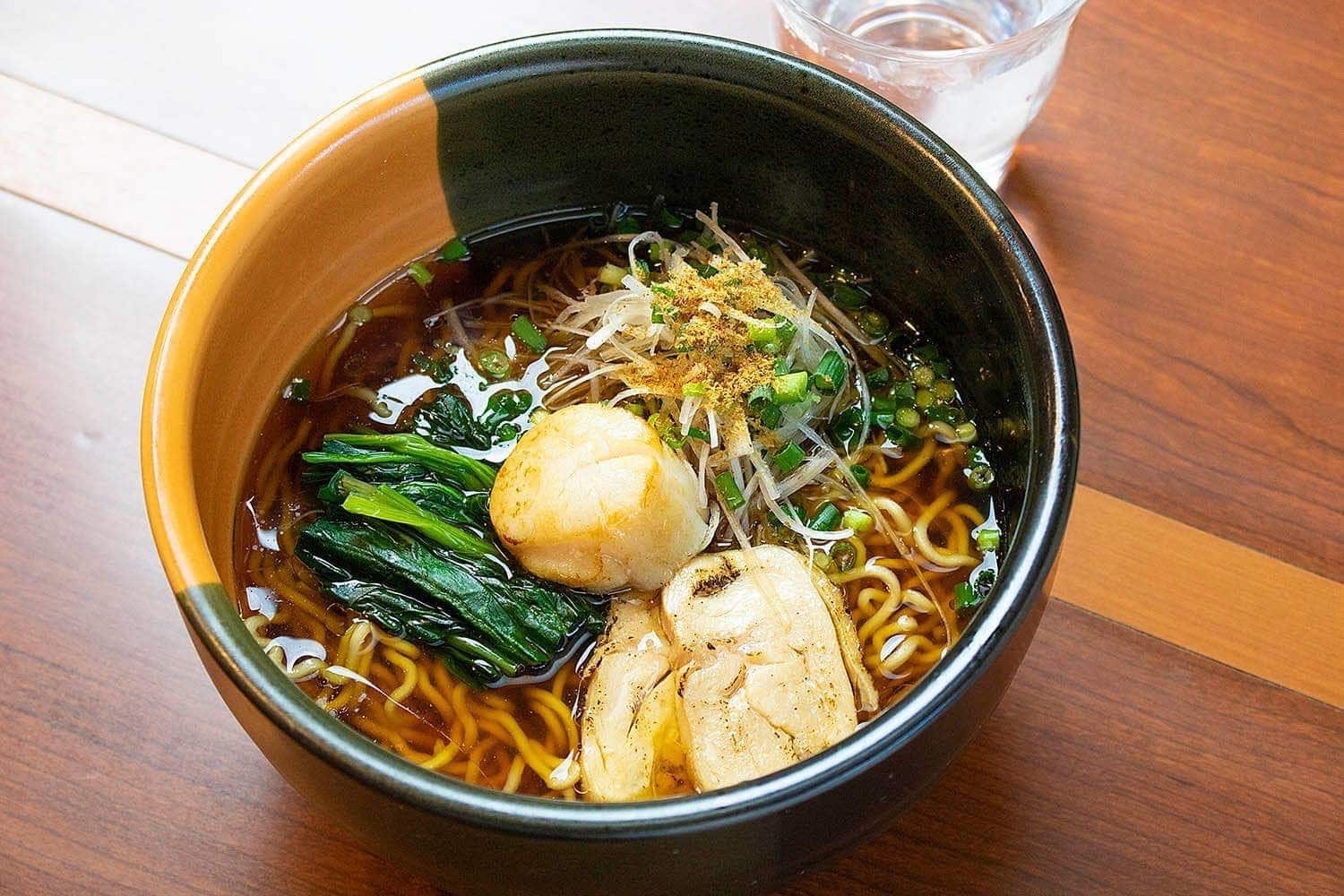
The Challenge of Halal Food in Japan
One of the biggest concerns for Indonesian Muslims moving to Japan is the availability of halal food. Japan is not a Muslim country, and many traditional dishes use ingredients like mirin (alcohol), dashi from bonito (fish), and pork (which is very common in Japanese cuisine). However, with the right knowledge, you can still comfortably eat halal in Japan.
Understanding Ingredients to Avoid
Here are common non-halal ingredients in Japanese cuisine:
| Bahan Jepang | Kanji/Katakana | Keterangan |
|---|---|---|
| Babi (Pork) | 豚肉 (butaniku) | Very common in ramen, gyoza, tonkatsu |
| Mirin | みりん | Cooking alcohol, in almost all Japanese sauces |
| Sake (cooking) | 料理酒 (ryourizake) | Cooking alcohol |
| Lemak babi (Lard) | ラード (raado) | Often used for frying |
| Gelatin babi | ゼラチン (zerachin) | In many candies, yogurts, desserts |
| Shortening | ショートニング | Can be from pork fat, check the label |
| Emulsifier | 乳化剤 (nyuukazai) | Sometimes from animal sources |
Halal Restaurants in Major Cities
Tokyo
- Naritake Halal (成竹) - Halal ramen in Shinjuku. Chicken broth, no pork. Budget: 900-1,200 yen.
- Gyumon Halal Yakiniku - Halal yakiniku (BBQ) in Shibuya. Halal certified by JAKIM. Budget: 3,000-5,000 yen.
- Sekai Cafe - A cafe in Asakusa that offers halal and vegetarian menus. Budget: 800-1,500 yen.
- Honolu Bakery - Halal bread and cakes at several locations in Tokyo.
- Restoran Pakistan/India di Shin-Okubo - The Korea Town area of Tokyo also has many halal Pakistani and Indian restaurants. Budget: 700-1,200 yen for a lunch set.
Osaka
- Matsuri Halal Restaurant - Halal Japanese cuisine in Namba.
- Hanamurasaki Halal - Halal shabu-shabu and sukiyaki.
- Area Tsuruhashi - Many Korean restaurants that use beef/chicken (but confirm about cooking alcohol first).
How to Find Halal Restaurants
- HalalNavi App - An app for finding halal restaurants in Japan, with reviews from Muslims.
- HappyCow - For vegetarian/vegan restaurants (a safe alternative).
- Halal Gourmet Japan - A website and app specifically for halal restaurants in Japan (halalgourmet.jp).
- Google Maps - Search for "halal restaurant" in your area.
Halal Shopping at Supermarkets
Specialty Halal Shops
- Nasco Halal Food - The largest halal shop in Tokyo (several branches). Halal meat, Indonesian spices, frozen foods.
- Green Nasco - The online version, ships throughout Japan.
- Islamic Market - Located near major mosques.
- Toko Pakistan/Bangladesh di Shin-Okubo - Many choices of halal meat and spices.
Safe Ingredients at Regular Supermarkets
You can shop at regular Japanese supermarkets by choosing safe ingredients:
- Seafood - Fish and seafood are generally halal. Japan is a paradise for fresh seafood.
- Ayam (鶏肉/toriniku) - Not halal in terms of slaughter method, but many Indonesians consume it. If you want strictly halal, buy from a halal shop.
- Sayuran dan buah - All are safe.
- Tahu (豆腐/toufu) dan Natto (納豆) - Soy products, halal.
- Beras (米/kome) - High-quality Japanese rice, halal.
- Mie (うどん/そば) - Check the ingredients, choose ones without mirin.
How to Read Food Labels
Japanese food labels are required to list all ingredients. Words to watch out for:
- 豚 (buta) - Pork
- ラード (raado) - Lard/pork fat
- ゼラチン (zerachin) - Gelatin (can be from pork)
- みりん (mirin) - Cooking alcohol
- 酒 (sake/shu) - Alcohol
- ワイン (wain) - Wine
- ショートニング (shootoningu) - Shortening (can be from pork)
Cooking for Yourself: A Guide for Indonesians
Cooking for yourself is the safest and most economical way to eat halal in Japan:
Available Indonesian Spices
- Kecap manis - Can be bought at halal shops (500-800 yen) or on Amazon Japan
- Sambal ABC/Indofood - Available at Asian grocery stores
- Indomie - Found at Don Quijote, Gyomu Super, or Asian grocery stores (150-300 yen/pack)
- Bumbu instan (Indofood/Bamboe) - Rendang, soto, nasi goreng - buy at halal shops
- Santan - Available cheaply at Gyomu Super (業務スーパー)
- Tempe - You can buy it at halal shops or even make it yourself!
Cheap Supermarkets for Cooking Ingredients
| Supermarket | Kelebihan | Tips |
|---|---|---|
| Gyomu Super (業務スーパー) | Wholesale prices, cheap imported ingredients | Buy coconut milk, frozen food, frozen vegetables |
| OK Store | Consistently low prices | Cheap fresh meat and vegetables |
| Hanamasa | Specializes in cheap meat | Buy chicken/beef in large quantities |
| Don Quijote | Open 24 hours, many imported goods | Look for Indomie and Asian snacks |
| 100-yen Lawson/Daiso | Cheap spices and cooking tools | Basic cooking tools can be bought here |
Eating at a Konbini: What's Safe?
Konbini (7-Eleven, Lawson, FamilyMart) are lifesavers when you're hungry. Relatively safe options include:
- Onigiri tuna/salmon/umeboshi - Check the label to ensure it's without mirin
- Salad - Choose one without meat dressing
- Edamame - Safe
- Roti tawar dan selai - Generally safe (check for shortening)
- Buah potong - Safe
- Cup noodle seafood - Some varieties are safe, but ALWAYS check the label
What to avoid: Bento (usually contains pork), nikuman (pork buns), and sandwiches with unclear fillings.
Tips for Ramadan and Eid in Japan
- Major mosques often hold free communal iftar (breaking of the fast)
- Halal shops usually stock more items before Ramadan
- Some halal restaurants offer iftar packages
- For Eid al-Adha sacrifice (qurban), some communities organize a collective slaughter
List of Mosques with Nearby Halal Shops
- Tokyo Camii (Yoyogi-Uehara) - The largest mosque in Japan, with a halal shop in the basement
- Otsuka Masjid (Toshima-ku) - Near the halal shops in Shin-Okubo
- Osaka Masjid (Nishi-ku) - Halal shops in the surrounding area
- Nagoya Masjid (Naka-ku) - Active Indonesian community
- Kobe Masjid - The oldest mosque in Japan (1935), Halal area in Motomachi
Living halal in Japan does require extra effort, but it gets easier every year. The number of halal restaurants continues to grow, awareness of halal among Japanese businesses is increasing, and the Muslim community is becoming more solid. With this guide, we hope you can enjoy the culinary scene in Japan without worry.